Table of contents
Modern fashion is in a constant state of evolution, yet it often looks to the past for inspiration. Traditional Japanese garments, renowned for their elegance and intricate craftsmanship, have made a significant impact on contemporary style worldwide. Discover how centuries-old techniques and silhouettes continue to shape today’s trends, blending timeless heritage with cutting-edge design.
influence of the kimono silhouette
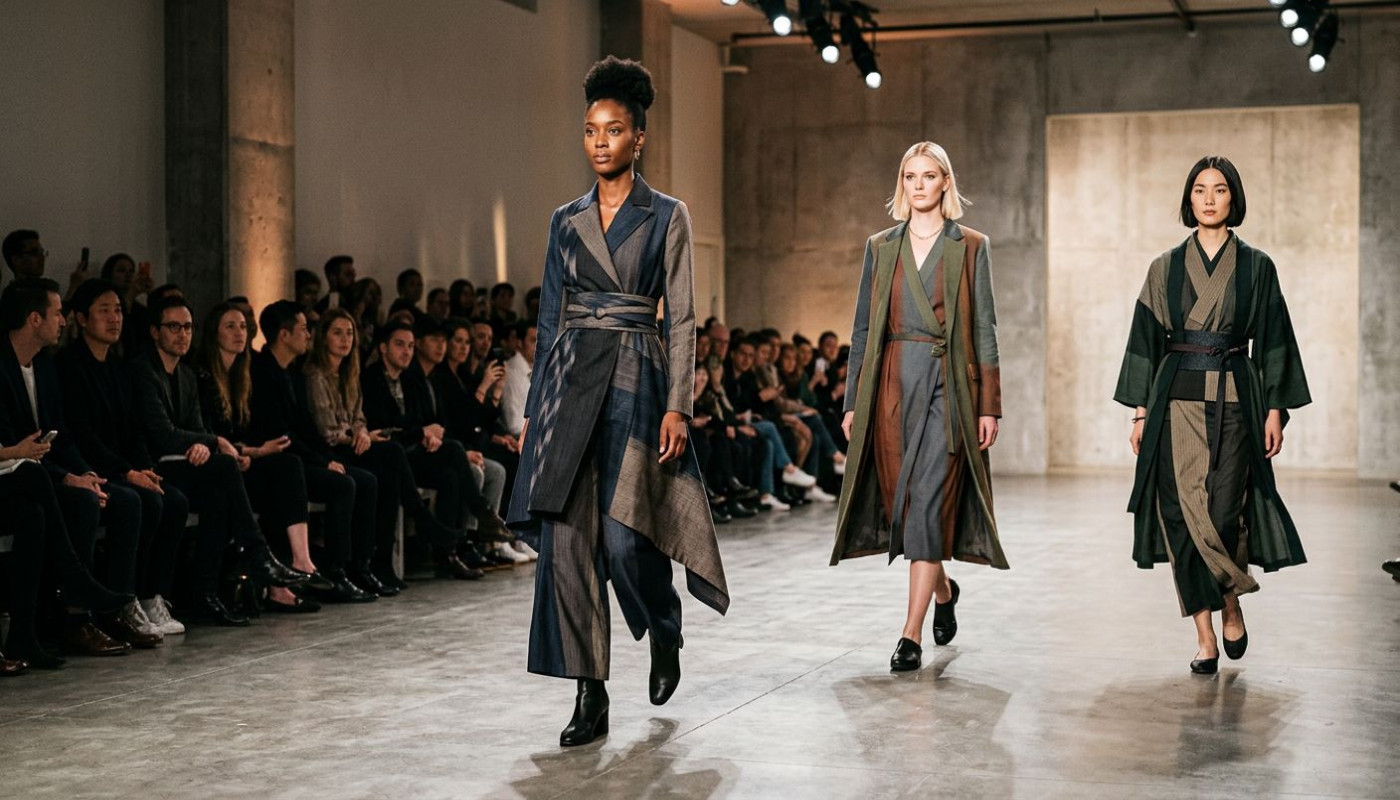
Kimono influence has profoundly shaped modern outerwear and layering techniques, with designers drawing Japanese fashion inspiration from the garment’s straight seams, iconic T-shape, and open-front construction. These structural elements provide a versatile foundation for contemporary coats and jackets, allowing easy adaptation for layering over various outfits. The open front of the kimono, for example, has been reinterpreted in trench coats and cardigans, inviting wearers to experiment with fluid forms and modular dressing. Layering, a core concept in both traditional and current Japanese fashion, translates seamlessly to modern styling, where the ability to pile garments without sacrificing comfort or movement echoes the kimono’s original functionality.
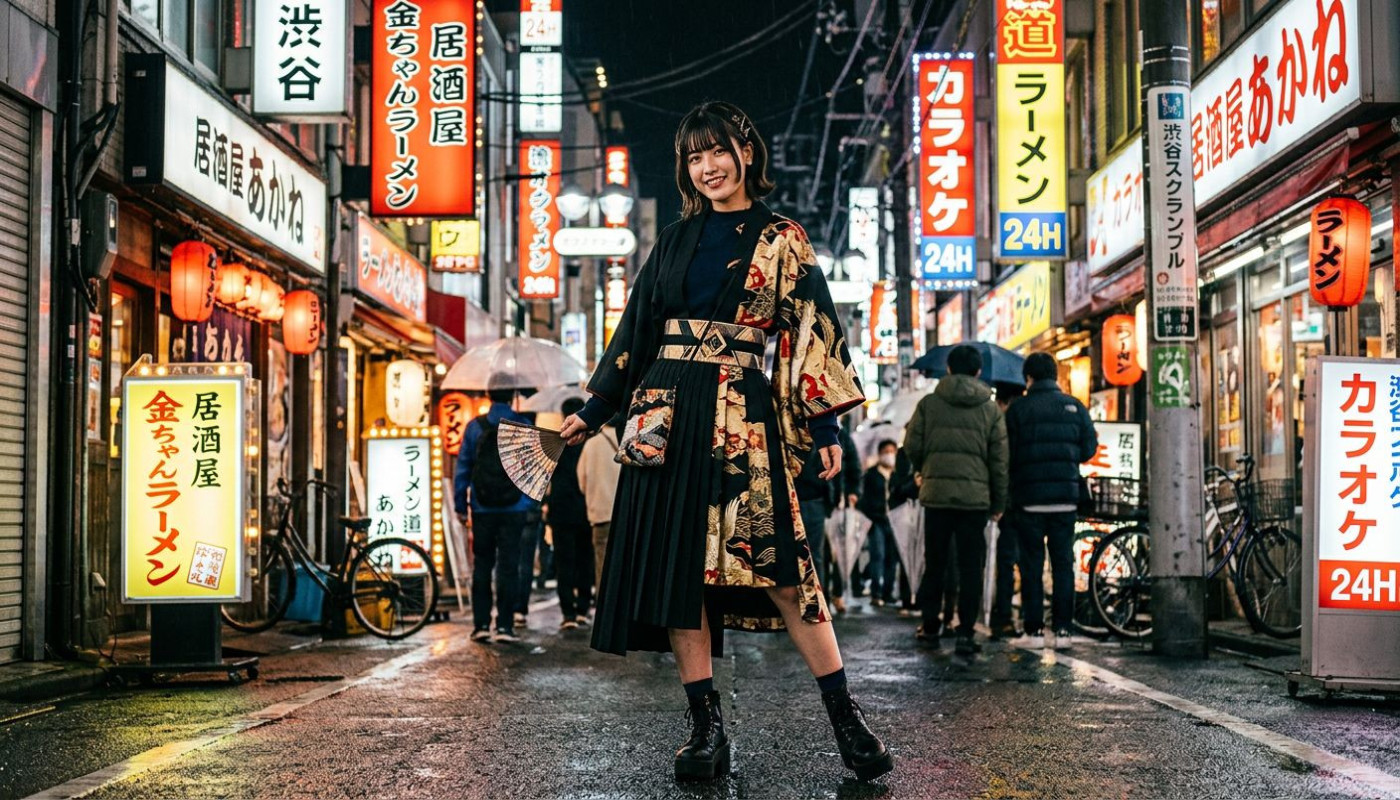
Runway collections and global street fashion regularly showcase kimono sleeves, whose wide, flowing shape adds drama and architectural interest to blouses, dresses, and outerwear. Designers often incorporate the obi, reimagining the traditional sash as belts or statement waist-cinchers that structure an ensemble and draw attention to the silhouette. Draping techniques inspired by kimono construction create garments that move gracefully and challenge conventional tailoring. These adaptations reflect a deep appreciation for Japanese fashion inspiration, as well as a desire to integrate the ease and elegance of traditional wear into the modern wardrobe, continually influencing both haute couture and everyday attire.
adaptation of hakama trousers
The hakama adaptation into contemporary fashion represents a striking example of fashion evolution, bringing traditional Japanese style to a global audience. Originally characterized by their wide-legged structure and the meticulous application of tate-beri (vertical hem binding), hakama have inspired modern designers to reinterpret these garments as pleated pants, loose-fitting culottes, and even structured skirts. The technical mastery of pleating and the generous volume intrinsic to hakama offer dynamic movement, which has become a hallmark of both high fashion collections and versatile casual wear. Today, many luxury labels and streetwear brands embrace the wide-legged trousers silhouette, celebrating fluidity and comfort while paying homage to their Japanese heritage.
Fashion experts highlight how the integration of volume and unique pleating not only transforms the silhouette but also provides practical elegance, appealing to those seeking both style and function. From runways in Paris to urban wardrobes, the continued innovation around hakama adaptation illustrates the global appetite for garments rooted in cultural tradition yet reimagined for modern lifestyles. For those interested in a detailed overview of these influences and examples of Japanese-inspired fashion, the description found at Japan Clothing offers a comprehensive perspective on the ongoing connection between traditional and contemporary dress.
impact of traditional textiles
Japanese textiles have profoundly influenced modern fabric trends, with designers continually seeking fresh ways to incorporate time-honored techniques into their collections. Indigo dyeing remains a celebrated method, producing deep blue hues on natural fibers like silk and cotton, which are prized for their durability and elegance. Shibori patterns, recognized by their distinctive tie-dye effects, have experienced a revival, appearing in high-fashion lines and streetwear alike. The technical process of kasuri, or ikat weaving, brings unique blurred-edge motifs, offering visual complexity that appeals to contemporary aesthetics.
Sashiko embroidery, originally developed for practicality and repair, is now featured as a decorative element that signifies both heritage and innovation. Modern brands reinterpret sashiko stitches to embellish jackets, accessories, and even denim, highlighting the craftsmanship and narrative embedded within each piece. Textile conservators note that this renewed interest in Japanese textiles contributes to sustainable practices, as many techniques were historically designed to extend garment life. The interplay of these traditional methods with current design sensibilities ensures the legacy of Japanese textiles endures within the global fashion landscape.
Designers who employ indigo dyeing, kasuri, and shibori patterns demonstrate a respect for cultural authenticity while adapting these elements to suit modern taste. This synthesis not only preserves the technical expertise of Japanese artisans but also introduces their artistry to audiences worldwide. As modern fabric trends evolve, the enduring appeal of sashiko embroidery and other classical techniques underscores the value of merging tradition with innovation in fashion.
concept of wabi-sabi aesthetics
Wabi-sabi, a cornerstone of Japanese aesthetics, celebrates the beauty found in imperfection, impermanence, and simplicity. In wabi-sabi fashion, designers draw inspiration from this philosophy by crafting garments that embrace asymmetry, raw edges, and organic forms rather than pursuing symmetrical perfection or artificial polish. Minimalist style, heavily influenced by wabi-sabi, often features muted color palettes, relaxed silhouettes, and understated details that highlight the authenticity of the materials and the hand of the maker. This approach challenges conventional standards of beauty, encouraging the acceptance of imperfection in fashion as a mark of individuality and thoughtful craftsmanship.
Design theorists note that the influence of wabi-sabi in Japanese aesthetics has led to a discernible shift in contemporary fashion, where designers intentionally incorporate unfinished hems, loose threads, and uneven cuts as part of their design vocabulary. These elements are not seen as flaws but as expressive gestures that reflect the transience and unpredictability of life. The use of organic forms—such as draping fabric to mimic natural movement, or choosing textiles with irregular textures—further echoes this tradition. As a result, wabi-sabi fashion offers a fresh perspective for those seeking meaning and authenticity in their wardrobe, resonating deeply with individuals who value subtlety, mindfulness, and the artistry of imperfection.
fusion of tradition and innovation
Contemporary designers skillfully intertwine Japanese garment techniques with the latest advancements in textiles and digital processes, giving rise to a dynamic fashion fusion that redefines the global style landscape. By adopting methods such as origami construction, designers reinterpret iconic silhouettes and folding methods derived from heritage influence, seamlessly adapting them to modern materials like technical synthetics, neoprene, and digitally printed fabrics. This approach demonstrates a delicate equilibrium: traditional craftsmanship is honored while innovation in style encourages new shapes, functions, and expressive possibilities. The result is a harmonious blend where past and present coexist, proving that innovation does not erase history but instead can amplify its relevance in today’s fashion ecosystem.
A contemporary fashion designer often emphasizes that staying true to Japanese garment techniques is not about strict replication, but about translating their philosophy and aesthetics for a modern context. Digital technology assists in pattern making and fabric manipulation, allowing for unprecedented precision and creative exploration. This merging process highlights both respect for cultural legacy and a willingness to transcend established boundaries, leading to garments that are both familiar and refreshingly novel. The ongoing interplay between heritage influence and inventive use of modern materials continues to inspire and propel the evolution of fashion worldwide.
Similar articles