Table of contents
Traditional Japanese garments have long captivated designers and style enthusiasts alike, offering a rich heritage of colors, patterns, and silhouettes. Their influence can be spotted in contemporary fashion across the globe, serving as a source of creativity and innovation. Explore how centuries-old Japanese clothing traditions continue to shape modern trends and inspire the evolution of fashion design today.
Kimono influences in modern silhouettes
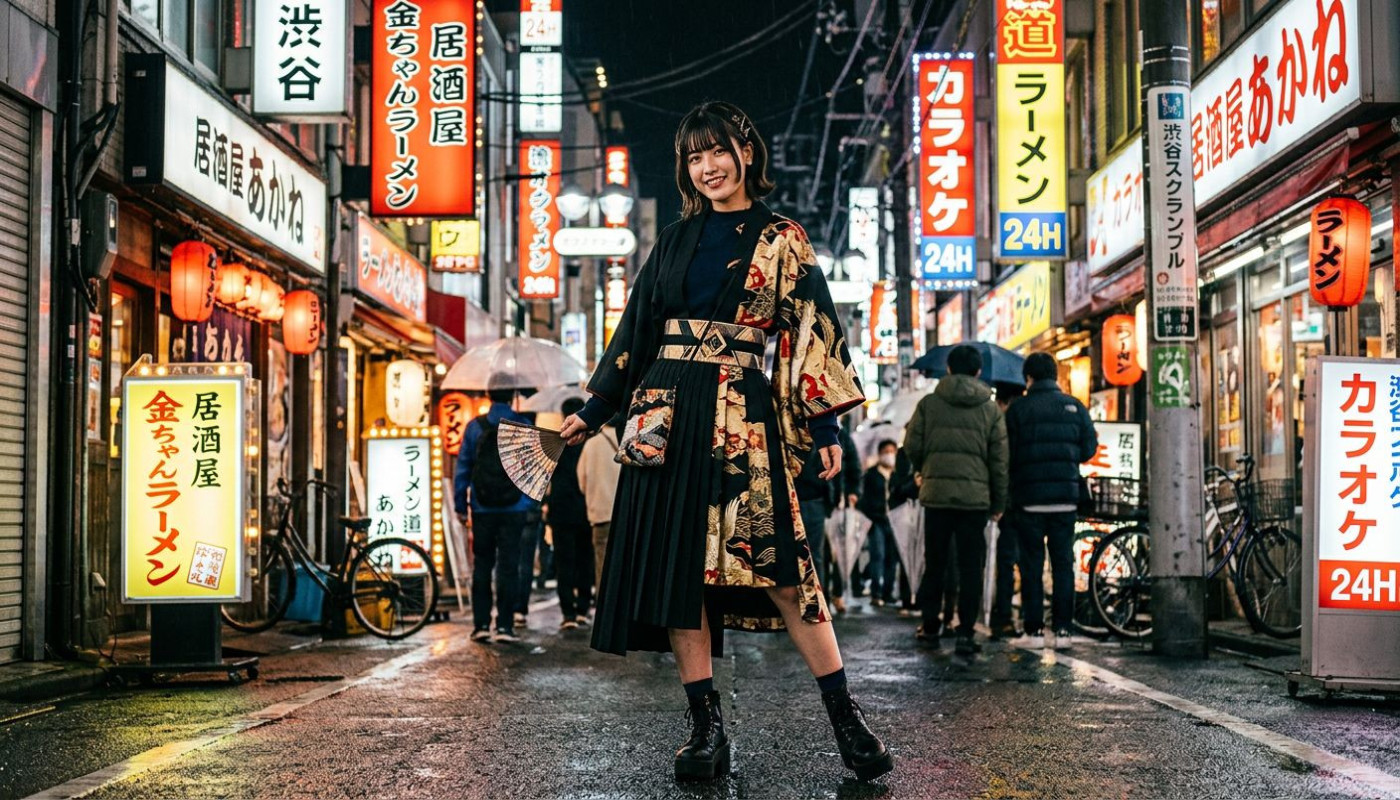
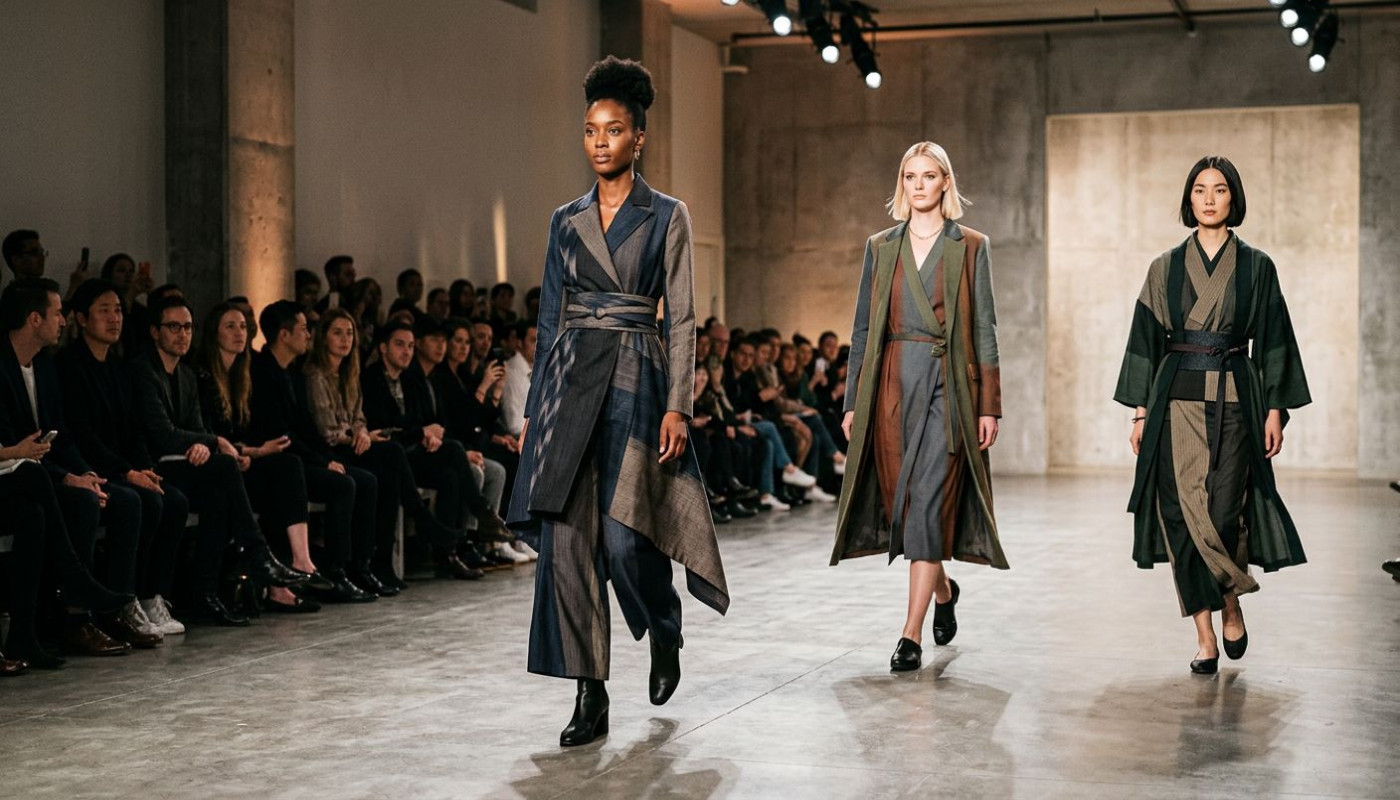
The kimono, characterized by its iconic T-shaped structure, flowing sleeves, and the decorative sash known as the obi, has left an enduring mark on modern fashion. Contemporary designers, inspired by the garment’s graceful simplicity, have incorporated these signature features into a wide array of clothing—from elegant dresses and tailored jackets to urban streetwear. This influence is visible in the relaxed silhouettes, overlapping fabrics, and carefully considered layering that echo the kimono's construction principles. The integration of traditional Japanese textiles and the deliberate emphasis on wide sleeves breathe new life into modern collections, offering both sophistication and practicality. Across global runways, the kimono's approach to layering and the aesthetic appeal of garments tied with an obi have become deeply valued, reflecting a universal appreciation for the comfort and understated elegance intrinsic to this traditional attire. As a result, the legacy of the kimono continues to shape the evolution of contemporary design, bridging the gap between cultural heritage and current trends.
Textile techniques and fabric innovation
Japanese textiles have long distinguished themselves through specialized weaving techniques and fabric innovation, setting the foundation for modern design interpretations. Shibori, a masterful tie-dye process, transforms cloth into works of art by manipulating and binding fabric before applying color, resulting in mesmerizing patterns and textures. Kasuri, or ikat weaving, introduces characteristic blurred patterns achieved by resist-dyeing threads prior to weaving, while practiced embroidery adds tactile and visual richness. These traditional methods, skillfully honed by generations of artisans, are now seeing a renaissance in contemporary fashion, as designers incorporate shibori and other textile processes into both haute couture statements and commercial ready-to-wear collections, delivering fresh depth, movement, and surface detail to garments.
Contemporary creators often collaborate directly with master textile artisans to reimagine these techniques for global audiences, blending heritage with cutting-edge innovation. Fabric innovation extends to the development of lightweight yet resilient fibers and sustainable dyeing practices, reflecting a fusion of tradition and modernity. The enduring influence of Japanese textiles is evident in runways and boutiques worldwide, where shibori and intricate embroidery provide distinctive signatures to otherwise minimal silhouettes. For those seeking authentic pieces or deeper insights into these crafts, visit the website offers a curated selection and further exploration of Japan's enduring textile legacy.
Color symbolism and pattern meanings
Color symbolism in traditional Japanese garments holds profound meaning, influencing both historic and modern design choices. Specific hues, such as deep indigo or vibrant red, are often chosen for their associations with virtues like purity, celebration, or protection from evil. In traditional fashion, motifs go beyond aesthetic appeal; they convey stories and values deeply rooted in Japanese culture. Motif meaning plays a significant role in selecting Japanese patterns for garments. Cherry blossoms, for example, symbolize the fleeting nature of life and beauty, while cranes represent longevity and good fortune. Waves, another popular motif, suggest resilience and the ever-changing flow of existence. These motifs are not only preserved but also reimagined in contemporary prints, allowing current fashion designers to infuse collections with layered significance and cultural heritage.
Japanese patterns and their symbolic motifs continue to have a strong impact on contemporary prints, as designers look to the past for inspiration and reinterpret tradition for modern audiences. The integration of traditional motif meaning into new designs creates garments that honor heritage while appealing to present-day tastes. If seeking a detailed explanation about the nuanced use of motif in both traditional and modern contexts, consulting the most knowledgeable cultural historian would yield expert insights into how pattern choices and color symbolism are interwoven to communicate identity, status, and sentiment within Japanese fashion. Such enduring motifs ensure that even as styles evolve, the spirit of traditional fashion remains vibrantly alive in contemporary wardrobes.
Layering and modular styling concepts
The principle of layering, deeply rooted in traditional Japanese dress, has significantly shaped the development of modular fashion in contemporary clothing design. An exemplary reference is the junihitoe, a historical court costume comprised of up to twelve meticulously arranged silk robes, each selected for its color harmony and symbolic meaning. This heritage emphasizes adaptability, as wearers could adjust the number, color, and order of layers to suit climate, occasion, or personal taste. Modern modular fashion reflects this Japanese influence by allowing customers to mix and match various components—jackets, vests, tunics, and skirts—to assemble ensembles tailored to individual preferences. Contemporary designers have embraced this customizable method, encouraging greater personalization and versatility, where garments are constructed to be combined in multiple configurations while maintaining technical coherence. The enduring appeal of layering, traced directly to practices like those embodied in the junihitoe, continues to inspire innovation in how clothing is designed, worn, and experienced.
Minimalism and understated aesthetics
Minimalism in traditional Japanese garments is deeply rooted in the culture’s preference for clean lines and a neutral palette, which together create a sense of understated elegance. Acclaimed minimalist fashion theorists often point to Japanese aesthetics as a foundation for the global movement toward simplicity and refined restraint in modern clothing. Garments such as the kimono or the yukata exemplify this approach, with their uncomplicated yet harmonious shapes, allowing the wearer’s individuality to emerge without distraction from excessive ornamentation or bold colors. The philosophy behind these choices—favoring functionality, subtle details, and a quiet sophistication—has profoundly shaped how modern silhouettes are conceived and executed in today’s fashion landscape.
Modern brands and designers around the world continue to draw from Japanese aesthetics, incorporating clean lines and soft, muted tones into their collections. The less-is-more concept is now evident in everything from haute couture to ready-to-wear, inspiring designers to focus on structure and fabric quality rather than embellishment. The minimalist movement, as interpreted by experts in fashion theory, maintains that a refined silhouette, free from clutter, allows artistry and craftsmanship to take center stage. This perspective encourages a thoughtful approach to design, where each element of a garment serves a specific purpose, echoing the principles of Japanese minimalism.
The lasting appeal of these aesthetics lies in their adaptability and timelessness. Minimalism, as understood through the lens of Japanese traditions, offers a universal language for contemporary fashion designers seeking to create pieces that endure beyond seasonal trends. The continued preference for clean lines and a neutral palette in modern silhouettes demonstrates how cultural philosophies around simplicity and restraint have become deeply embedded in the way fashion is both created and worn today. This influence ensures that Japanese aesthetics remain at the heart of the evolving conversation around what constitutes beauty and elegance in clothing design.
Similar articles